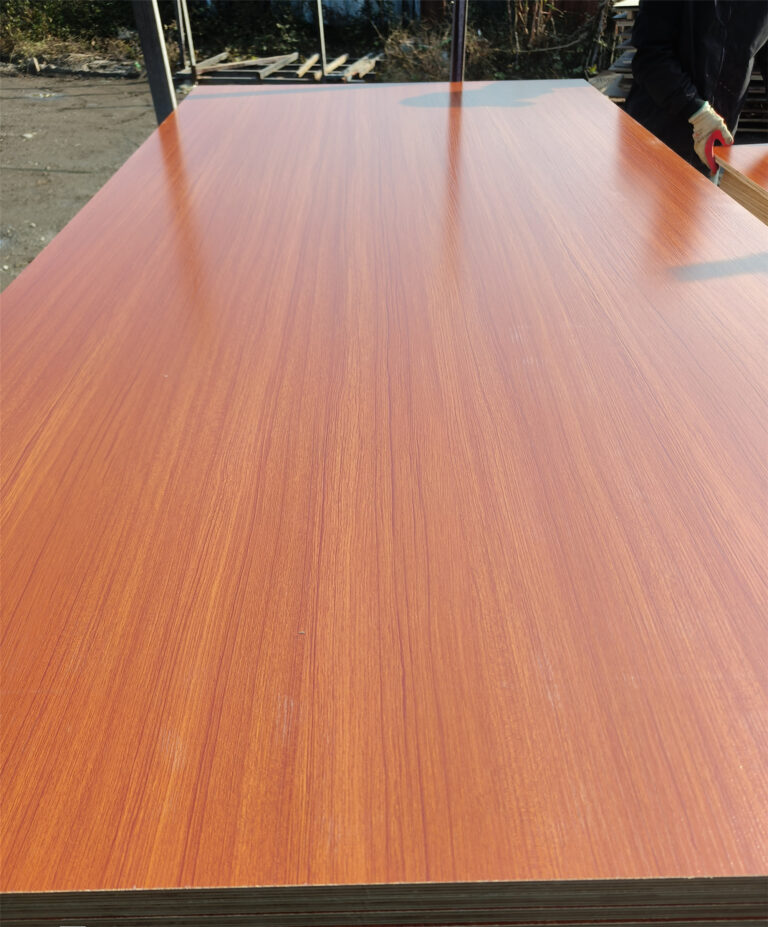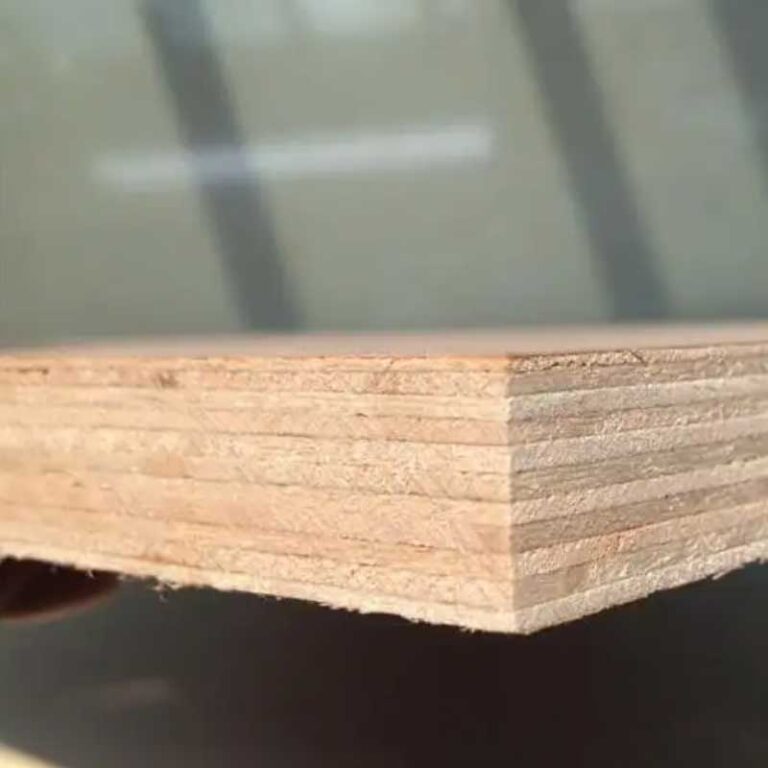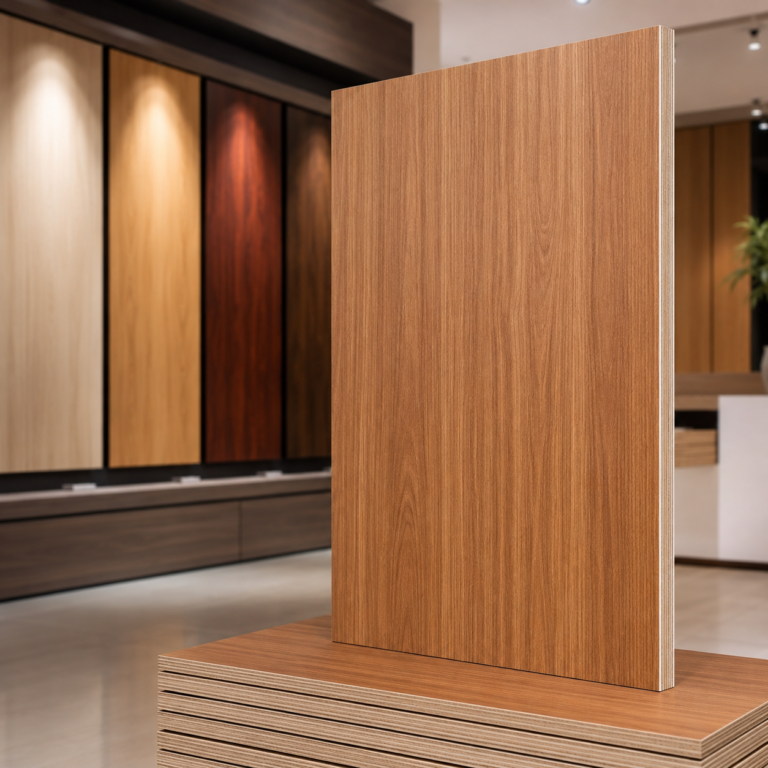
melamine board is an important panel material for buyers who need stable quality, predictable processing performance and practical cost control. For cabinet manufacturers, wardrobe makers and importers serving residential furniture markets, the right panel selection can affect production efficiency, final product appearance, packaging safety and long-term customer satisfaction. This guide explains how 18mm white melamine board is used in cabinets and furniture in a practical way, with a focus on real purchasing decisions rather than keyword-heavy descriptions.
If you are comparing suppliers or preparing a container order, start with the product specification first. You can also review XILU’s melamine board page to match basic product information with your project requirements.
What Buyers Should Understand First
White melamine board is a common choice for cabinet interiors, wardrobe panels and shelves. The 18mm thickness is widely used in many furniture markets because it provides a practical balance of rigidity, weight and processing convenience.
For international buyers, the key question is not only whether the product is available, but whether the specification fits the final application. A panel used for cabinet doors may need a different surface quality from a panel used for packaging. A board used for wall decoration may require different thickness tolerance, edge quality and finishing options from a board used as a structural layer.
Best Applications
- Kitchen cabinet carcasses
- Wardrobe side panels
- Storage shelves
- Office furniture panels
- Laundry room cabinets
- Apartment furniture production
These applications are suitable because the product can provide a practical balance between surface quality, processing performance and cost. However, buyers should always confirm the detailed specification before mass production.
Applications That Need More Caution
- High-moisture areas with poor edge sealing
- Luxury projects requiring natural veneer or specialty finish
- Very lightweight furniture where thinner panels are required
- Outdoor exposure without suitable materials
A useful buying guide should also explain limitations. No single wood-based panel is perfect for every situation. If a buyer chooses a board only by price, the final product may have problems such as poor screw holding, edge damage, swelling, color mismatch or surface defects.
Specification Checklist Before Ordering
- Thickness: Confirm whether 18mm is suitable for the furniture structure and hardware.
- White tone: Different white boards may vary in shade and brightness.
- Core material: MDF or particle board cores affect weight and screw holding.
- Edge banding: White edge banding should match the board surface.
- Packaging: White surfaces need good protection against dirt and scratches.
This checklist is especially important for importers and distributors. A clear specification sheet helps avoid misunderstanding between the buyer, supplier, factory and final customer. Before confirming a bulk order, buyers should request samples, check the surface finish, confirm the core material and discuss export packaging.
How to Compare This Product with Related Boards
White melamine board is often compared with raw MDF plus paint. Melamine can reduce finishing work, while painted MDF may offer more custom color control. Particle board cores can be economical; MDF cores may offer smoother edges.
When comparing panels, do not judge by one factor only. Price, weight, density, surface finish, processing method, application environment and local market requirements should be considered together. For example, one customer may prefer a lower-cost board for cabinet carcasses, while another customer may need a smoother substrate for painted doors.
For related sourcing needs, buyers can also review edge banding when comparing white edge matching. For related sourcing needs, buyers can also review MDF board when comparing paintable substrate. For related sourcing needs, buyers can also review particle board when comparing cabinet core options.
Sourcing Tips for Importers and Distributors
For container orders, the buyer should confirm quantity, loading plan, moisture protection, pallet method, label requirements and whether mixed products can be loaded together. A good purchase plan may include the main board material, matching edge banding, sample panels and alternative surface options. This is useful for distributors who serve cabinet makers, furniture factories, contractors and interior decoration companies.
It is also helpful to prepare questions before contacting the supplier:
- What thicknesses and sizes are available?
- Which core material is recommended for the target application?
- Can the surface color or texture be customized?
- What edge banding or matching material is available?
- What packaging is used for export shipment?
- Can samples be provided before bulk production?
- What information should be confirmed for container loading?
For a quotation or sample discussion, buyers can contact the supplier through the XILU contact page.
Final Recommendation
melamine board can be a strong option when the specification matches the project. Buyers should choose the material based on application, not only on price. A reliable supplier should help confirm thickness, core, surface treatment, packaging and shipment details before production.
FAQ
Q1: Is 18mm melamine board good for cabinets?
Yes. 18mm is commonly used for cabinet and wardrobe panels.
Q2: Why is white melamine popular?
It is clean, practical, easy to match and widely accepted in furniture markets.
Q3: Does white melamine need edge banding?
Yes. Cut edges should be finished with matching edge banding.
Q4: Can the core be MDF or particle board?
Yes. Both are common, depending on cost and performance requirements.
Q5: What should be checked for white boards?
Surface cleanliness, color consistency, core quality and edge banding match.
Suggested Image ALT Texts
- melamine board panel for furniture and interior projects
- melamine board supplier for bulk container orders
- melamine board sheet surface detail
- melamine board for cabinet and decoration applications
- China melamine board manufacturer and exporter